
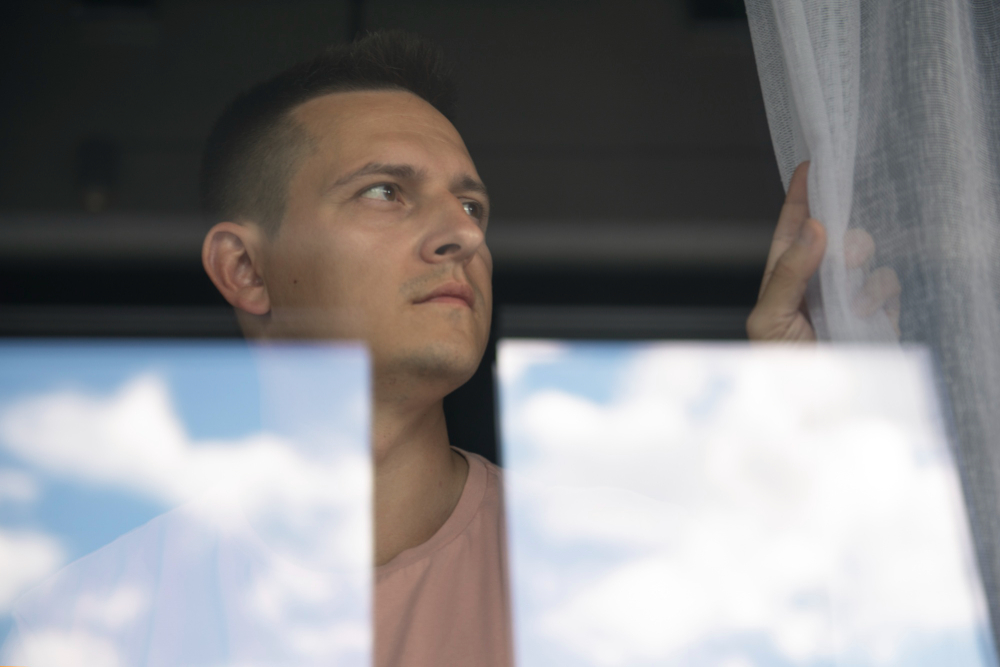
Being seen sounds simple, but for many, it feels terrifying. You might long for connection, recognition, or authenticity — yet the moment attention turns toward you, an old instinct awakens: to adapt, to perform, to become whatever version feels most acceptable. This reflex to shape-shift keeps you safe, but also invisible. It allows you to survive relationships and environments that couldn’t hold the real you, at the cost of feeling truly known.
Therapy helps you unlearn this survival strategy. It teaches that visibility does not have to equal danger, and authenticity does not have to cost belonging. Healing the fear of being seen means building the inner safety to exist as yourself — unfiltered, unedited, and enough.
The Origins of Shape-Shifting
Shape-shifting begins in environments where authenticity was unsafe. As a child, you may have learned to scan for cues, adjusting your tone, behaviour, or personality to maintain peace or earn approval. Over time, this adaptability becomes automatic. You lose touch with who you are beneath the roles.
Therapy helps you trace this pattern back to its origins, not to assign blame, but to understand the function it once served. When you see that shape-shifting was a form of protection, you can begin to release it with compassion rather than shame.
- Adaptation develops in response to emotional unpredictability.
- Approval and safety become linked to performance.
- The true self retreats beneath learned personas.
- Therapy reframes adaptation as survival, not defectiveness.
The Fear of Being Truly Seen
Visibility is vulnerable because it invites judgment. If your earliest experiences of being seen involved criticism, dismissal, or ridicule, exposure may now feel synonymous with danger. You may keep yourself small, invisible, or excessively agreeable to avoid scrutiny.
Therapy helps you explore these early associations and rebuild a sense of safety in being visible. You learn that visibility can coexist with boundaries, and that being seen does not have to mean being evaluated.
- Fear of judgment leads to hiding or constant self-editing.
- Early experiences equate exposure with harm.
- Invisibility feels safer but creates loneliness.
- Therapy helps rebuild trust in safe visibility.
How Shape-Shifting Shows Up in Adult Life
Shape-shifting often persists into adulthood as subtle people-pleasing. You might change opinions to avoid conflict, overextend yourself to be liked, or mirror others’ emotions to feel connected. This flexibility can seem like empathy, but it often hides anxiety — the fear of losing belonging.
Therapy helps you distinguish between genuine empathy and self-erasure. By learning to hold your own perspective, you begin to engage in relationships that value mutual authenticity rather than one-sided adaptation.
- Shape-shifting manifests as people-pleasing and emotional mirroring.
- The need for belonging overrides personal truth.
- Authenticity feels risky, leading to chronic self-monitoring.
- Therapy supports differentiation without disconnection.
The Cost of Constant Adaptation
Living in a constant state of adjustment is draining. You may appear calm and capable on the surface while carrying chronic tension underneath. When authenticity feels unsafe, the nervous system never truly relaxes — always anticipating what version of you the world will accept.
Therapy helps you notice the physical and emotional exhaustion that comes from over-adapting. Through awareness, you begin to understand that the cost of constant control is disconnection from your inner world.
- Over-adaptation leads to chronic stress and fatigue.
- Suppression of self creates emotional disconnection.
- Relationships based on performance feel unsatisfying.
- Therapy restores authenticity as a path to regulation.
The Role of the Nervous System
The fear of being seen is not just psychological — it’s physiological. When your nervous system associates visibility with threat, exposure triggers fight, flight, or freeze responses. You might blush, go blank, or dissociate. Healing visibility anxiety requires working with the body, not just the mind.
Therapy helps regulate these responses through grounding and somatic awareness. Over time, your body learns that being seen no longer means danger — that presence and safety can coexist.
- The nervous system interprets visibility as potential threat.
- Fight, flight, or freeze responses may activate under attention.
- Somatic regulation helps rewire associations with safety.
- Therapy integrates body awareness into emotional healing.
Shame and the Fear of Exposure
Shame is often the hidden emotion behind the fear of being seen. It whispers that if people truly saw you — your flaws, emotions, or needs — they would turn away. This fear of exposure keeps you locked in self-protection, reinforcing the belief that authenticity equals rejection.
Therapy helps you face shame with compassion. By bringing it into the light, you discover that visibility does not destroy connection but deepens it. Sharing your truth becomes a way of dismantling shame, not strengthening it.
- Shame convinces you that authenticity risks abandonment.
- Exposure triggers old wounds of inadequacy.
- Avoidance maintains shame’s power.
- Therapy transforms shame through acceptance and truth-telling.
The Mask of Competence
Many people hide behind competence as a socially acceptable form of invisibility. You may take pride in being the reliable one, the calm one, the problem-solver — roles that deflect attention from your vulnerability. While competence earns respect, it rarely earns intimacy.
Therapy helps you separate genuine capability from self-protection. It’s possible to be strong without hiding. Allowing imperfection makes room for others to meet you, not just admire you.
- Competence becomes a shield against vulnerability.
- Being reliable substitutes for being emotionally known.
- Perfectionism sustains emotional distance.
- Therapy encourages strength rooted in authenticity, not image.
The Longing to Be Known
Beneath the fear of visibility lies a deep longing to be known. This longing is not weakness — it’s part of being human. Yet when early experiences taught you that exposure leads to pain, you may suppress this desire, convincing yourself you’re fine being unseen.
Therapy invites this longing back into awareness. By acknowledging it without judgment, you begin to understand that connection requires visibility — that love can only reach the parts of you that are willing to be seen.
- The desire to be known is fundamental to belonging.
- Suppressing this longing leads to emotional isolation.
- Safety grows through gradual, supported openness.
- Therapy helps reconnect desire with the possibility of connection.
Building Safety in Visibility
Healing does not mean forcing exposure; it means expanding your window of tolerance for being seen. This process begins in small, intentional steps — expressing opinions, showing emotion, or allowing yourself to be witnessed in vulnerability.
Therapy provides a safe container to practise these steps. As you experience acceptance instead of rejection, your nervous system learns that authenticity and safety can coexist.
- Healing visibility fears requires gradual exposure to being seen.
- Small acts of truth build trust in the self and others.
- The body learns safety through repetition, not force.
- Therapy offers co-regulation that supports steady progress.
Boundaries as Protection, Not Disguise
Boundaries make visibility sustainable. Without them, being seen can feel overwhelming, leading to either overexposure or withdrawal. Boundaries are not barriers; they are frameworks that allow you to show up authentically without losing balance.
Therapy helps redefine boundaries as acts of care rather than avoidance. You learn that saying “no” does not make you less visible — it makes your presence more truthful.
- Boundaries prevent overexposure and emotional depletion.
- Healthy limits support authenticity, not avoidance.
- Saying no reinforces self-trust and safety.
- Therapy helps integrate boundaries as tools for visibility.
From Performance to Presence
Authentic visibility is not a performance; it’s presence. It’s the quiet confidence of inhabiting your own experience without trying to control how others perceive it. When you move from managing impressions to expressing truth, connection becomes deeper and more real.
Therapy teaches you how to stay anchored in presence even when vulnerability feels uncomfortable. Over time, you learn to tolerate being seen as you are — not as you think you should be.
- Performance seeks control; presence seeks connection.
- Authenticity invites imperfection into visibility.
- Self-acceptance replaces image management.
- Therapy helps cultivate calm, grounded visibility.
Redefining What It Means to Be Seen
To be seen does not mean to be on display; it means to be understood. Visibility is not about exposure but about expression — allowing your inner world to have a place in the external one. Healing reframes visibility from performance into participation in life.
Therapy helps you discover ways to share yourself that feel natural and nourishing. Visibility becomes less about attention and more about authenticity.
- Visibility is about connection, not performance.
- Being seen allows authentic participation in relationships.
- Expression replaces exhibition as the goal of openness.
- Therapy redefines visibility as mutual understanding.
Living Authentically in the World
Healing the fear of visibility does not erase vulnerability — it transforms your relationship with it. You still feel exposed at times, but exposure no longer equals danger. Instead, it becomes an invitation to stay connected to yourself even when others are watching.
Therapy supports this integration by helping you build resilience in authenticity. Over time, you stop shape-shifting to be accepted and start believing that being yourself is enough.
- Authenticity allows vulnerability without collapse.
- Fear may remain but loses its control over behaviour.
- Presence becomes your anchor in moments of exposure.
- Therapy supports sustainable self-expression in daily life.
Conclusion
To be seen without shape-shifting is to trust that your truth is worthy of visibility. It means dismantling the old belief that belonging requires performance and discovering that connection thrives in authenticity. You do not need to earn your right to exist as yourself.
At Online Therapy UK, we believe therapy creates the safety needed to be seen fully — not as a curated version, but as a human being in process. Through this work, visibility becomes less about exposure and more about embodiment. You learn that the world doesn’t need a perfect shape — it needs the presence of your true, unguarded self.