
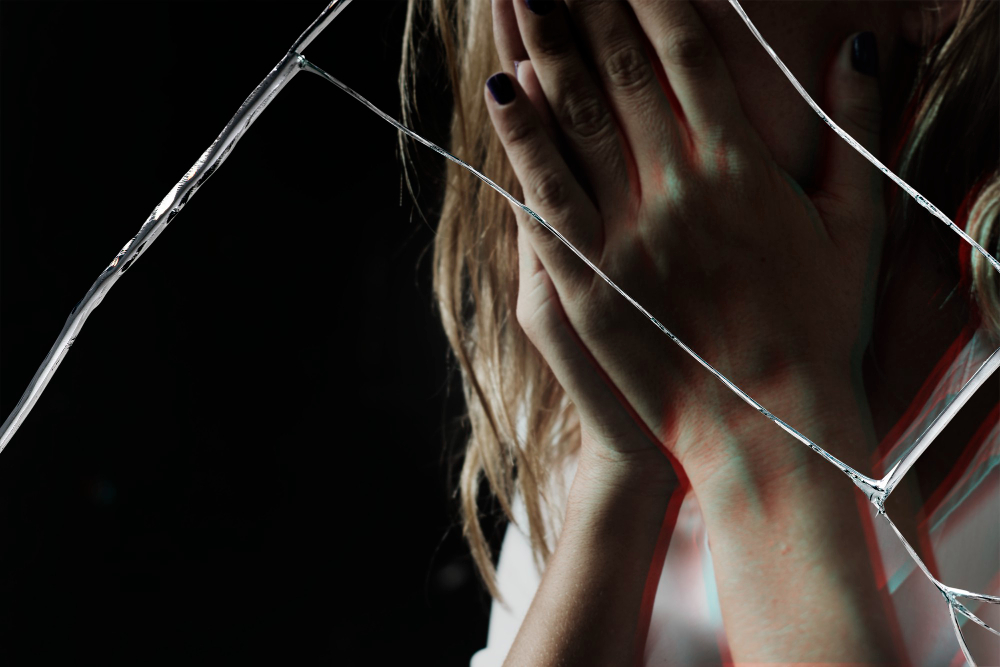
Experiencing domestic violence can leave deep emotional, psychological, and physical scars. Whether the abuse was physical, emotional, financial, or sexual, survivors often struggle with feelings of fear, shame, self-doubt, and trauma long after leaving the situation. The journey to recovery is not easy, but it is possible.
Healing from domestic violence requires time, self-compassion, and support. This article explores the impact of domestic violence trauma, the stages of recovery, and practical steps survivors can take to rebuild their lives with strength and resilience.
Understanding the Impact of Domestic Violence
Domestic violence is not just about physical harm—it can cause lasting emotional and psychological damage. Survivors may experience a range of effects, including:
Emotional and Psychological Trauma
- Anxiety and Depression – Survivors often experience ongoing feelings of sadness, fear, and hopelessness.
- Post-Traumatic Stress Disorder (PTSD) – Flashbacks, nightmares, and heightened anxiety can persist long after the abuse has ended.
- Low Self-Esteem – Years of verbal and emotional abuse can erode confidence and self-worth.
- Guilt and Shame – Many survivors blame themselves, even though the abuse was never their fault.
Physical and Health Consequences
- Chronic Pain or Fatigue – The stress of trauma can cause ongoing headaches, muscle pain, and exhaustion.
- Sleep Disorders – Insomnia, nightmares, or disturbed sleep are common.
- Weakened Immune System – The constant stress can lead to physical health problems.
Difficulty Trusting Others
- Relationship Struggles – Survivors may find it hard to trust new partners, fearing they will experience abuse again.
- Social Withdrawal – Isolation is common, especially if the abuser controlled friendships and family interactions.
Recognising these effects is the first step toward healing. Survivors need to know that what they are feeling is valid and that recovery is possible.
The Stages of Healing from Domestic Violence Trauma
Recovery is a journey that happens in stages. Everyone heals at their own pace, but understanding these stages can provide a roadmap for the healing process.
Acknowledging the Trauma
The first step to healing is recognising and accepting what happened. Many survivors minimise their experiences, believing the abuse “wasn’t that bad” or “could have been worse.” It’s important to acknowledge that all forms of abuse are serious and have lasting effects.
Establishing Safety and Stability
If you have recently left an abusive relationship, creating a sense of safety is essential. This might involve:
- Finding secure housing (e.g., staying with trusted family or friends, seeking a refuge).
- Cutting off contact with the abuser, if possible.
- Seeking legal protection, such as a non-molestation order.
- Rebuilding financial independence if financial abuse was involved.
Processing the Trauma
Once physical safety is established, the emotional healing begins. This stage may involve:
- Therapy or counselling to work through trauma.
- Support groups to connect with others who have similar experiences.
- Journaling to express and process emotions.
Rebuilding Self-Worth and Confidence
Domestic abuse often destroys a person’s self-esteem. Rebuilding confidence takes time but can be achieved by:
- Engaging in self-care and self-love practices.
- Setting small, achievable goals to regain a sense of control.
- Surrounding yourself with positive, supportive people.
Moving Forward and Creating a New Life
The final stage is about looking to the future. This might mean:
- Pursuing education or career goals that were put on hold.
- Developing healthy relationships with new people.
- Learning to trust again and set boundaries in future relationships.
Healing is not about forgetting the past—it’s about finding ways to grow beyond it and build a life free from fear.
Practical Steps to Aid Recovery
Healing from domestic violence trauma is not easy, but there are practical steps survivors can take to regain control of their lives.
Seek Professional Support
Speaking with a therapist, counsellor, or domestic abuse support service can be a vital step in processing trauma. Therapy can help survivors:
- Work through PTSD and anxiety.
- Identify triggers and coping mechanisms.
- Rebuild self-esteem and confidence.
Finding the Right Therapist:
- Look for professionals who specialise in domestic abuse recovery or trauma therapy.
- Consider options such as Cognitive Behavioural Therapy (CBT), Eye Movement Desensitisation and Reprocessing (EMDR), or person-centred therapy.
- Many charities and organisations offer free or low-cost counselling for survivors.
Build a Support System
Survivors often feel alone and isolated, especially if their abuser controlled their social life. Reconnecting with friends, family, and support groups can provide emotional strength.
Ways to build a support system:
- Join a domestic violence support group – Hearing other survivors’ stories can be healing and empowering.
- Reconnect with loved ones – Rebuilding relationships can be challenging, but trusted friends and family can be a great source of strength.
- Consider online communities – Many survivors find comfort in anonymous online forums and social media support groups.
Develop Coping Strategies for Triggers
Triggers—reminders of past abuse—can cause panic, anxiety, or distress. Learning how to manage them is key to recovery.
Coping strategies include:
- Deep breathing exercises – Helps calm the nervous system during moments of anxiety.
- Grounding techniques – Focus on the present moment by using the “5-4-3-2-1” method (naming 5 things you can see, 4 you can touch, 3 you can hear, 2 you can smell, and 1 you can taste).
- Positive affirmations – Remind yourself: “I am safe now. I am healing. I am in control of my life.”
- Creating a “safe space” – A physical space where you feel secure and at peace.
Establish Healthy Boundaries
Survivors often struggle with setting and enforcing boundaries, especially if they were manipulated into ignoring their own needs during the abusive relationship.
How to set boundaries:
- Say no without guilt – You do not have to justify your decisions.
- Limit contact with toxic people – If someone makes you feel unsafe or anxious, distance yourself.
- Protect your energy – Prioritise relationships that make you feel valued and respected.
Focus on Self-Care and Well-Being
Self-care is a crucial part of healing. It’s not just about pampering, but about rebuilding a relationship with yourself.
Self-care ideas:
- Physical well-being: Exercise, eat nutritious food, and prioritise sleep.
- Emotional well-being: Engage in activities that bring joy—reading, painting, music, nature walks.
- Mindfulness and relaxation: Try meditation, yoga, or guided visualisation to reduce stress.
Rebuild Your Future with Confidence
Domestic violence can make survivors feel powerless, but reclaiming control over your life is possible.
Ways to regain independence:
- Pursue education or new skills – Consider taking courses or training in a field you’re passionate about.
- Seek financial independence – If financial abuse was part of the relationship, explore budgeting tools, financial literacy courses, or job opportunities.
- Create new life goals – Write down aspirations and create small, manageable steps to achieve them.
Where to Find Support in the UK
There are many organisations in the UK that provide support for survivors of domestic violence.
- Refuge – Offers emergency accommodation and support services for domestic abuse survivors. (Helpline: 0808 2000 247)
- Women’s Aid – Provides emotional and practical support, including legal advice and local services. (womensaid.org.uk)
- Victim Support – Free, confidential support for victims of crime, including domestic abuse. (victimsupport.org.uk)
- Mankind Initiative – Supports male survivors of domestic abuse. (Helpline: 01823 334244)
Seeking help is not a sign of weakness—it is a courageous step toward healing.
Final Thoughts
Overcoming domestic violence trauma is a long and deeply personal journey, but healing is possible. By seeking support, developing coping strategies, rebuilding confidence, and setting boundaries, survivors can reclaim their lives and move forward with strength.
No one should have to face domestic violence alone. If you or someone you know is struggling, reaching out for support can be the first step toward a future filled with hope, freedom, and self-empowerment.