
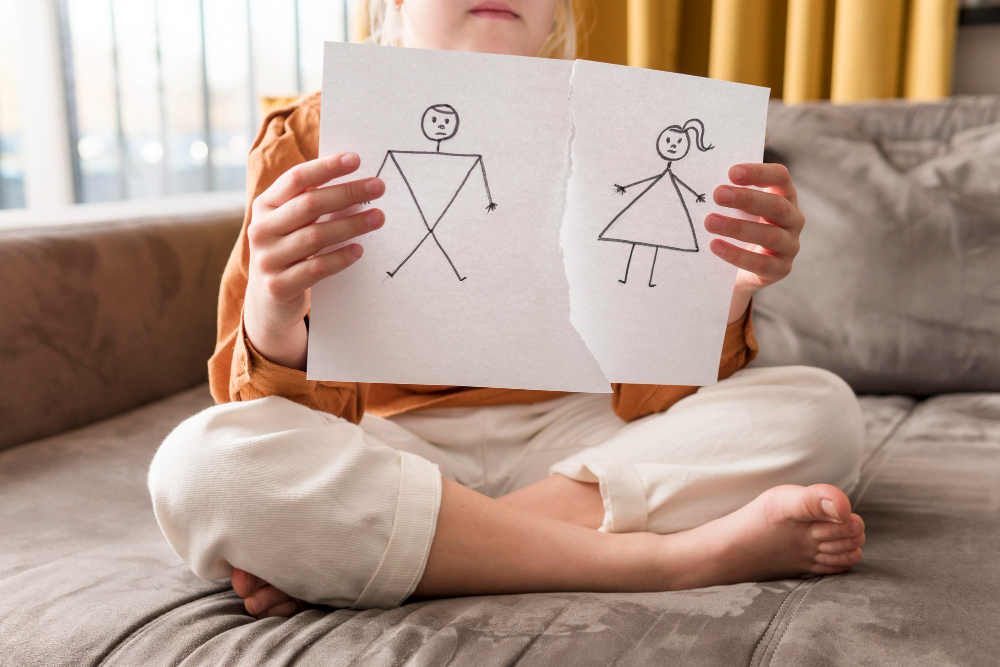
The way we relate to others as adults is rarely random. It’s deeply influenced by patterns we absorbed growing up—often without realising it. These patterns, or “unspoken rules,” become internal blueprints for how we communicate, express emotions, and handle conflict in our closest relationships.
Unspoken rules aren’t usually taught outright. They’re modelled, implied, or enforced through tone, silence, consequences, or emotional withdrawal. Over time, these quiet lessons form the lens through which we experience intimacy, trust, and vulnerability as adults.
Understanding these internalised rules is a crucial step in changing unhealthy patterns. Whether you struggle with conflict avoidance, emotional suppression, or fear of abandonment, there’s often a childhood message behind it—and therapy can help bring it to light.
What Are Unspoken Family Rules?
Unspoken family rules are implicit expectations that guide behaviour. They’re the norms that tell children what is safe to feel, say, or do in order to stay accepted within the family.
These rules are often passed down through generations. While some provide structure and safety, others create confusion, guilt, or shame. Common examples include:
- “Don’t talk about feelings.”
- “Always put others first.”
- “Stay strong—don’t show weakness.”
- “Keep the peace, no matter what.”
When followed, these rules can offer a sense of belonging. But when they prevent authentic emotional expression, they lay the groundwork for relational struggles in adulthood.
How These Rules Take Hold in Childhood
Children are highly perceptive. Even without being told directly, they absorb messages from the emotional climate of their home. Reactions to their behaviour, subtle cues from caregivers, and repeated outcomes all reinforce the rules.
Some examples of how rules take root:
- If a child cries and is ignored, they may learn that sadness is unacceptable.
- If anger leads to punishment, they may conclude that disagreement equals rejection.
- If caretaking is rewarded with praise, they might equate worth with self-sacrifice.
- If emotional needs are met with discomfort or distance, they may learn not to express them at all.
These rules are adaptive in childhood, helping kids stay safe or avoid pain. But as adults, they often cause emotional disconnection, anxiety, or relationship dysfunction.
The Emotional Cost of Following Unspoken Rules
What helps you survive as a child can hold you back later in life. Many unspoken rules demand emotional suppression, perfectionism, or inauthenticity. This creates a gap between who you really are and who you believe you need to be in order to be loved.
Consequences in adulthood may include:
- Difficulty expressing needs or setting boundaries
- A tendency to people-please or avoid conflict
- Feelings of guilt when prioritising your own wellbeing
- Choosing emotionally unavailable or critical partners
The internal pressure to follow outdated rules often goes unnoticed until a crisis, burnout, or repetitive relationship issue forces reflection.
Common Unspoken Rules and Their Adult Impacts
Let’s explore a few frequently encountered rules and how they can show up in adult life.
“Don’t show weakness.”
This rule encourages emotional suppression and stoicism. It can lead to difficulty being vulnerable in relationships or seeking support when needed.
“Put others first.”
This rule fosters self-sacrifice and neglect of personal needs. As an adult, it may result in burnout, resentment, or enmeshment in codependent dynamics.
“Keep the peace.”
Conflict avoidance is common when this rule is present. Adults raised with this expectation may struggle to assert themselves or tolerate disagreement.
“Don’t talk about feelings.”
If open emotional expression was discouraged, adults may feel disconnected from their emotions or find it hard to connect with others on a deeper level.
Each of these rules serves a protective purpose, but in adulthood, they often create emotional distance or internal distress.
How These Rules Affect Romantic Relationships
The romantic realm is where old rules tend to surface most dramatically. That’s because intimate relationships mimic the emotional closeness of our earliest attachments—and with that comes the return of our earliest defences.
Adults may:
- Struggle to trust their partner fully
- React disproportionately to minor conflicts
- Feel overwhelmed by emotional intimacy
- Sabotage healthy connections due to fear of being hurt
Without understanding where these behaviours come from, it’s easy to feel broken or “too much.” Therapy reframes them as protective adaptations from childhood—not character flaws.
Why Awareness Is the First Step to Change
Identifying the unspoken rules you live by is a powerful step in healing. Once you understand how these rules operate, you can question whether they still serve you—or if they’re keeping you stuck in emotional habits that no longer make sense.
Questions to ask yourself include:
- What behaviours were rewarded or punished in my childhood?
- How did my family express (or suppress) emotions?
- What was I taught about asking for help or showing emotion?
- How do those lessons show up in my current relationships?
Self-inquiry isn’t about blame—it’s about clarity. When you see the blueprint, you can redesign it.
How Therapy Helps You Unlearn Harmful Rules
Therapy offers a safe, non-judgemental space to explore the rules that shaped your inner world. A skilled therapist helps you notice unconscious beliefs and challenge the assumptions that underpin your behaviour.
Therapy can help you:
- Understand how early experiences shaped your relational patterns
- Separate past survival strategies from current reality
- Learn new ways to express needs and emotions
- Build healthier, more connected relationships
Importantly, the therapeutic relationship itself can become a corrective experience. By being heard, respected, and emotionally attuned to, you learn that connection doesn’t require suppression or performance.
Replacing Old Rules with Healthier Beliefs
You can’t simply “delete” a lifelong belief. But you can introduce new, more supportive alternatives—and practise them until they feel natural.
Examples of replacing harmful rules include:
- “Don’t show weakness” → “Vulnerability is a strength that builds connection.”
- “Put others first” → “I can care for others while still caring for myself.”
- “Keep the peace” → “Honest communication strengthens relationships.”
- “Don’t talk about feelings” → “Emotions deserve space and expression.”
Repetition, support, and self-compassion are key. It takes time to feel safe doing what once felt dangerous—but the rewards are real.
You’re Not Broken—You Adapted
Many people come to therapy feeling ashamed of their habits, thinking something is wrong with them. But most emotional struggles are signs of adaptation, not dysfunction. You developed ways to cope with your environment. Now, as an adult, you have the opportunity to update those strategies.
Healing starts when you recognise that your patterns make sense—even if they no longer serve you. That realisation allows for gentleness, curiosity, and growth.
Conclusion: Writing New Rules on Your Own Terms
The unspoken rules of your childhood may have shaped you, but they don’t have to define you. With insight, support, and effort, you can let go of what no longer fits and create new ways of relating that are based on authenticity, trust, and emotional safety.
Therapy is not about fixing what’s broken—it’s about rediscovering the parts of yourself that were never allowed to fully emerge. When you start choosing your responses rather than reacting from old scripts, that’s when real freedom begins.